Winter Squash: Great for Decor, Even Better as Food!

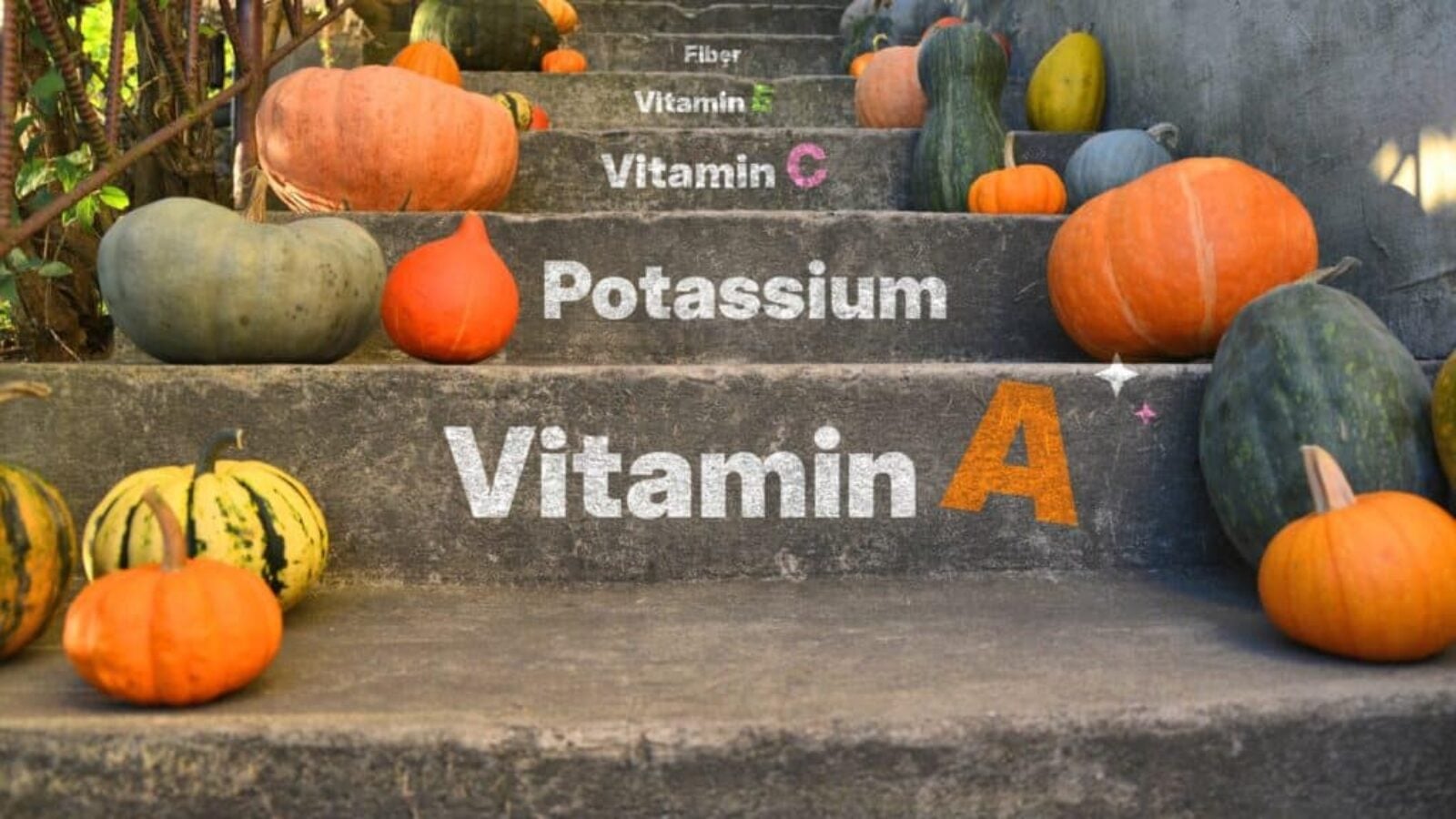
Winter squash shows up on almost every Thanksgiving table, as the centerpiece! Not to mention our porches, doorsteps and mantels. Yes, they make gorgeous decor, but they belong on our plates just as much as on the crafting table, if not more.
Eating winter squash is one of the easiest ways to get our vitamin A all season long. The deep orange color is the clue: it comes from beta-carotene, which our bodies turn into vitamin A. We talked about why that matters in our vitamin A reel.
But winter squash is also packed with other top nutrients, like potassium, vitamin C, vitamin E, and fiber!
You can learn more about the nutrients they give us here and here. In this article, we want to make the cooking part simple, so squash becomes a weeknight food and not just a holiday centerpiece.
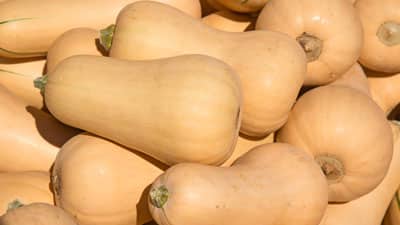
Six squashes we keep coming back to
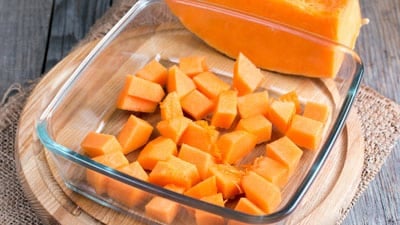
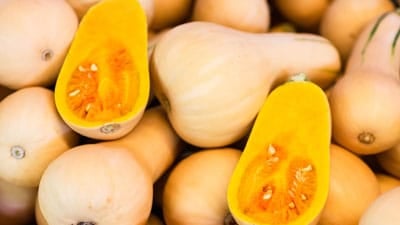
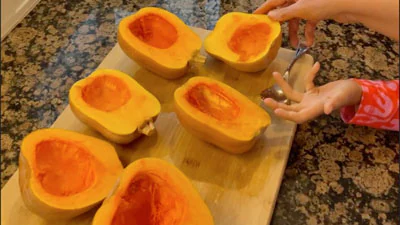
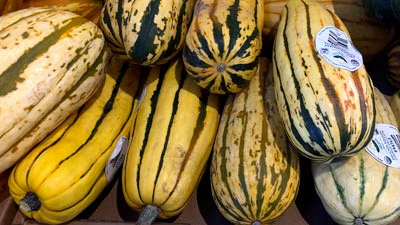
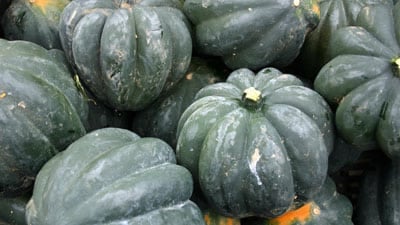
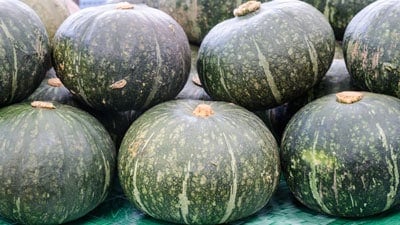
How we prepare it without the struggle
Most of the work with squash is cutting it. A few habits make it much easier:
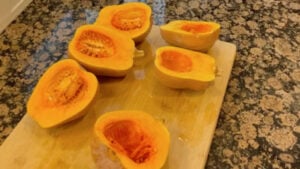 Pick the easy ones first. Honeynut and delicata are small, soft enough to cut safely, and their skins stay on.
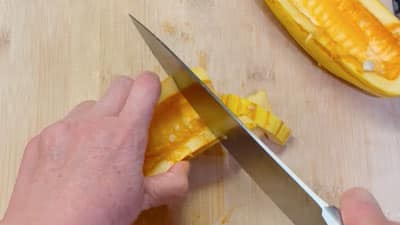
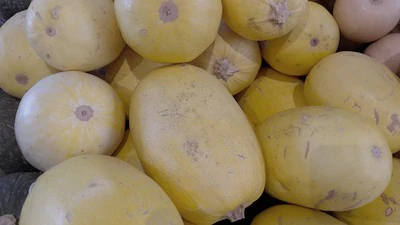
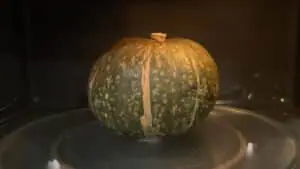 Soften the hard ones. For butternut, kabocha or spaghetti squash, we pierce the skin a few times and microwave it for 2 to 3 minutes. The knife goes through much more easily after that.
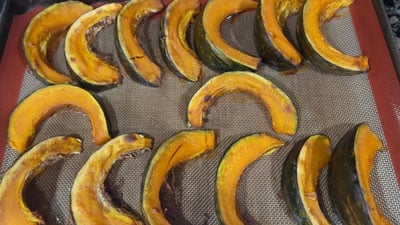
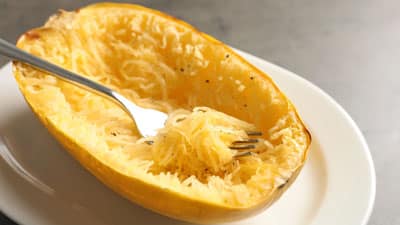
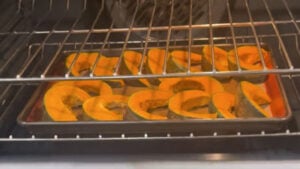 Roast at 400°F. Delicata rings take about 20 to 25 minutes. Honeynut halves, kabocha wedges and butternut cubes take about 25 to 35. Acorn and spaghetti squash halves, cut side down, take about 35 to 45. It’s done when a fork slides in easily.
Meal ideas for busy weeks
One tip for every idea below: beta-carotene is absorbed better with a little fat. A few seeds, some nuts or avocado on the plate will take it to the next level of nutrition and flavor.
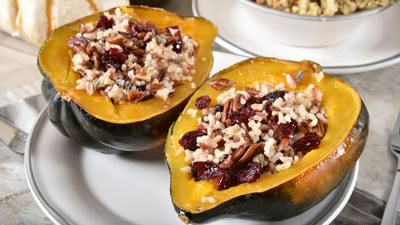
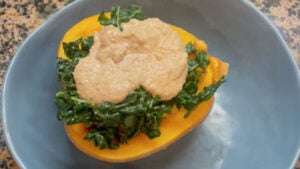 Stuffed: after roasting our honeynut or acorn halves, we stuff them with lentils or roasted chickpeas and top them with steamed greens, apples and seeds, then finish with a sauce or vinaigrette for extra flavor.
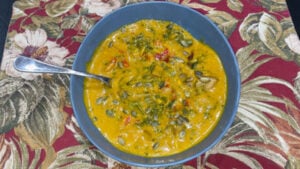 Soup night: butternut blended with onion, garlic and vegetable broth. We make a big pot, and it’s lunch for the next two days.
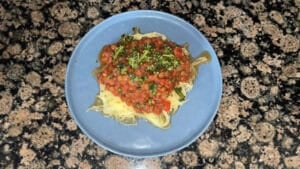 Noodle night: spaghetti squash strands with tomato sauce, mushrooms and lentils. Yum!
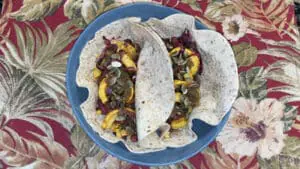 Bowls, burritos and tacos: we love mixing our delicata squash with beans, red onions, guacamole and salsa.
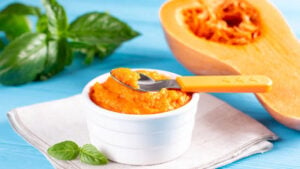 Baby food: roast your butternut or honeynut squash and then blend it to make a smooth puree. You can also mash it with a fork to keep it thicker or give it to your baby as finger-sized strips that are easy to hold. Serve it with a bit of avocado to boost beta-carotene absorption!
The pumpkin pie secret
 This one will save you from a big disappointment! If you want to make pumpkin pie or another pumpkin dessert from your own baked pumpkin, do not… I repeat, DO NOT use the small round “pie pumpkins” sold at the store. Why, you may ask? Because these are not what most pumpkin pies are made of. They can turn out watery and stringy, and they’re often not very sweet. In fact, I find them to be a bit peppery.
The truth is that most canned pumpkin is made from a tan, oblong variety called Dickinson, a close relative of butternut squash. Its flesh is drier, smoother and sweeter, which is why canned pumpkin gives that silky texture every time. So, for pies and desserts, I choose canned pumpkin. Make sure the label says 100% pumpkin, not pumpkin pie filling, which has added sugar.
If you’d still rather start from fresh, butternut or honeynut makes a sweeter, creamier puree than a pie pumpkin does. As for the pie pumpkin variety… you can make savory dishes with it and, yes, you can also make fun decorations! The artist featured here is none other than my 9-year-old kid.
Don’t toss the seeds
The seeds of every winter squash can be eaten, not only pumpkin seeds. Roasting them takes a few minutes of hands-on time:
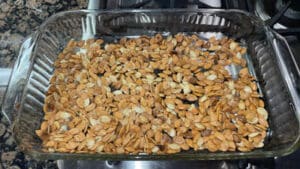
- Rinse the seeds and pull off the strings.
- Dry them well with a paper towel, so they roast and don’t steam.
- Season with a pinch of salt, garlic powder, chili and lime, or cinnamon.
- Roast at 325°F for about 30 to 45 minutes, stirring every 10 minutes so they don’t stick. Check them regularly to keep them from burning. They’re ready once they turn golden and crisp.
Pumpkin seeds are one of the best plant sources of zinc: an ounce of roasted seeds has about 2.2 mg, which is 20% of the Daily Value. Seeds from smaller squashes like honeynut and delicata are thinner and crisp up faster, so be sure to check them early.
See how much vitamin A your family needs
Each of us needs a different amount of vitamin A, depending on age and stage of life. Our vitamin A calculator shows each family member’s daily need and how far a portion of squash goes toward it.
Curious about your family’s other nutrient needs? Visit our potassium, vitamin C, vitamin E, fiber and zinc pages and try the calculators there.





With a free profile, your family details will be filled in for you so you don’t have to enter them on every page.

This article is for informational purposes only. Talk to your health professional about your own needs.