
Support your posture and movement by keeping your bones strong
Support your posture and movement by keeping your bones strong
Last Updated: November 24, 2025 | ESPAÑOL
Last Updated: November 24, 2025 | ESPAÑOL
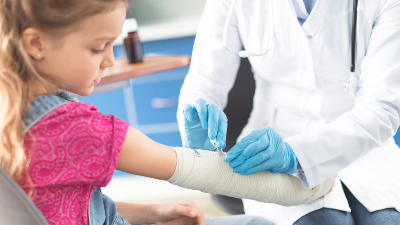
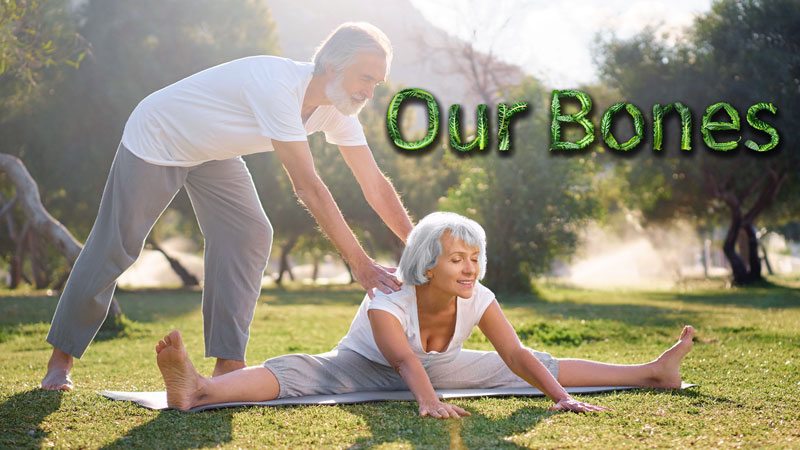 Our bones have a lot to do with our overall well-being. On one hand, healthy bones help us with posture, movement, and recovery from fractures. But on the other hand, weak bones lead to bad posture, pain and stiffness.
There is a lot we can do to keep our bones strong and healthy, and it’s never too late to start caring for them because our bones are always restoring themselves.
Firstly, we need to provide them with the nutrients they need through a well-balanced diet. Once we identify the top nutrients for our bones and their top food sources, it becomes clear that dairy is not the solution marketing has made it out to be. Instead, we can gain an appreciation for other foods that up until recently, we may have been ignoring, like dark leafy greens, whole grains and beans!
So, what happens when our bones get the minerals they need through a well-balanced diet? Well, they store them, and this storage keeps them strong while also allowing them to provide these nutrients to the rest of our body as needed. Conversely, if our bones don’t get proper nutrition, their mineral supply suffers, resulting in bone density issues as we age.
While nutrition has a key role in supporting our bone health, we also need to exercise regularly. This is, literally, the make or break of our bones.
We mentioned above that it’s never too late to care for our bones. Still, the sooner we start, the better for our lifelong bone health. By providing the right nutrition and exercise habits, our children can grow up strong. For us, the sooner we start, the more prepared we’ll be before those hormonal changes or other age-related issues start to hit.
Our Bones and Skeleton Main Parts and Functions
Our Bones and Skeleton Main Parts and Functions
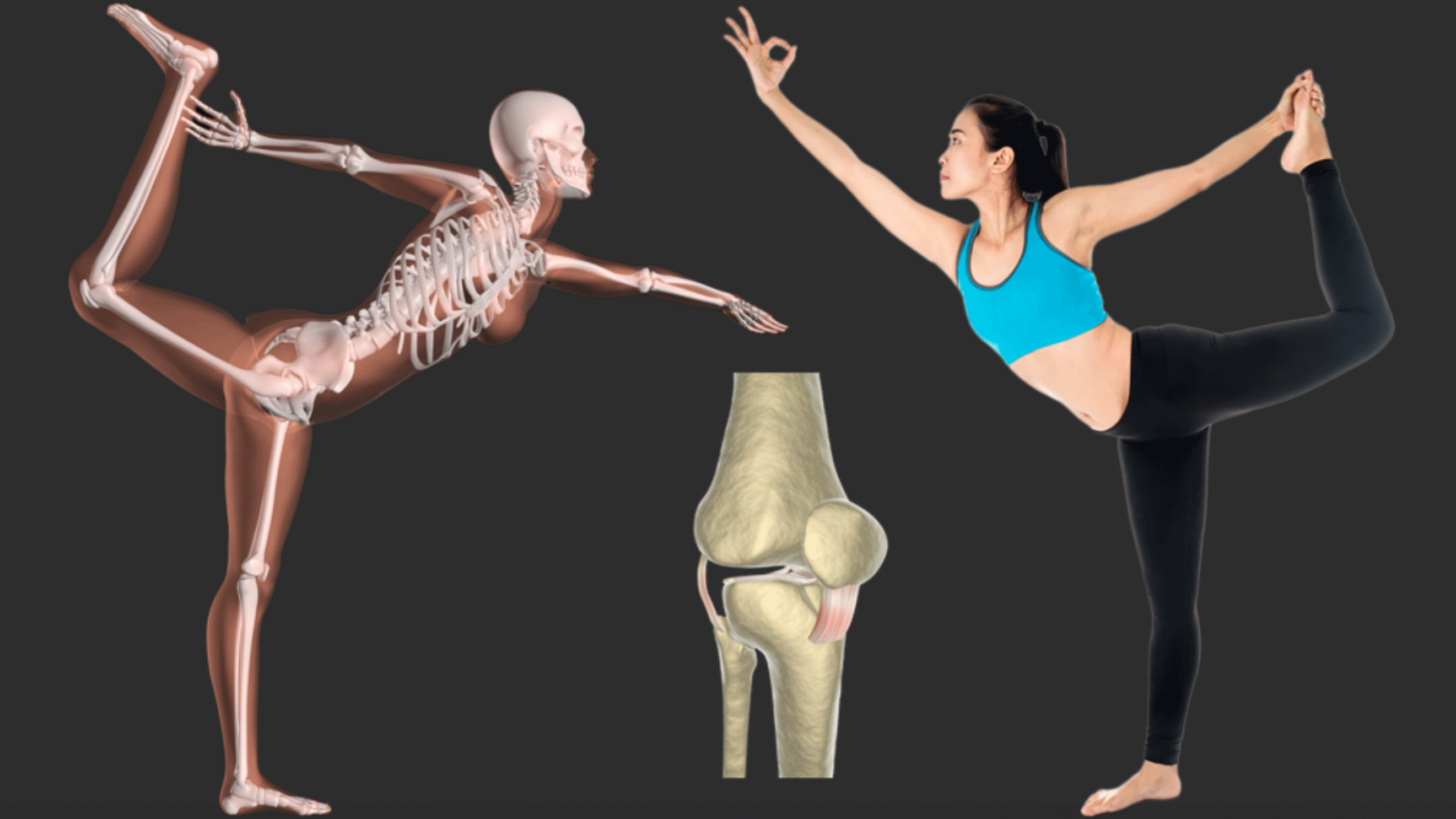
The skeleton consists of bones and connective tissue: ligaments, cartilage and tendons. You might be surprised to see how much our bones do for us! They don’t just give us our shape, they also protect our organs, produce important blood cells, store minerals for the rest of our body, and help us with movement.
Discover more details about the different functions of our bones and connective tissue by hovering over each pointer below.
Brain Protection
Our skull protects our brain and is responsible for the shape of our face.Movement
Our bones and connective tissue work together with our muscles to facilitate our movement. Among our movement bones we have our vertebra, limbs and mandible.Heart & Lung Protection
Our rib or thoracic cage protects our heart and lungs.Blood Cells Production
Our bone marrow is responsible for producing our red cells, white cells and platelets.Shape
When we think of our bones the first thing we think of is our shape. Our bones support our entire body. When they are strong, it is evident through our good posture. As they weaken, our shape deteriorates as well.Tendons
Our tendons connect our muscles to our bones, which allows them to team up and facilitate our movement.Cartilage
Our cartilage acts as a shock absorber, protecting our bones and joints.Ligaments
Our ligaments are what binds our joints together and allows movement.Minerals Storage
Bones store key minerals like calcium and phosphorus, and provide these to the rest of our body when needed.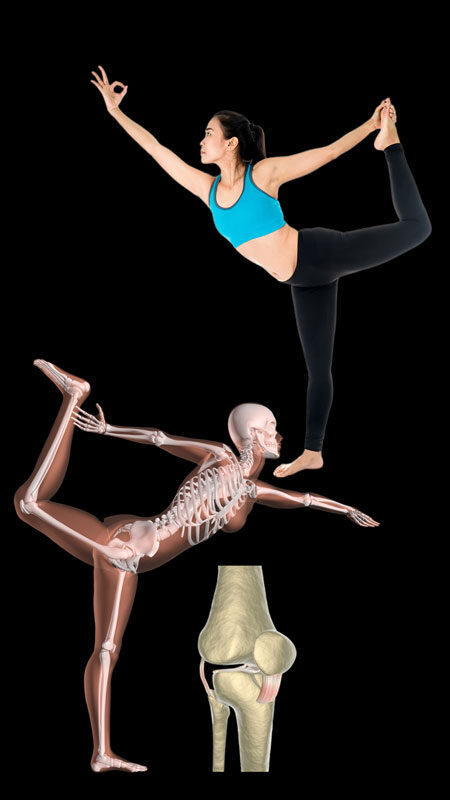
Brain Protection
Our skull protects our brain and is responsible for the shape of our face.Movement
Our bones and connective tissue work together with our muscles to facilitate our movement. Among our movement bones we have our vertebra, limbs and mandible.Heart & Lung Protection
Our rib or thoracic cage protects our heart and lungs.Blood Cells Production
Our bone marrow is responsible for producing our red cells, white cells and platelets.Shape
When we think of our bones the first thing we think of is our shape. Our bones support our entire body. When they are strong, it is evident through our good posture. As they weaken, our shape deteriorates as well.Tendons
Our tendons connect our muscles to our bones, which allows them to team up and facilitate our movement.Cartilage
Our cartilage acts as a shock absorber, protecting our bones and joints.Ligaments
Our ligaments are what binds our joints together and allows movement.Minerals Storage
Bones store key minerals like calcium and phosphorus, and provide these to the rest of our body when needed.Top Nutrients for Our Bones
Top Nutrients for Our Bones
Click on the nutrient images below to visit their interactive pages and learn more about what they do for us, their top sources, other interesting facts, and to try our personalized nutrition calculator.
Tap on the nutrient images below to visit their interactive pages and learn more about what they do for us, their top sources, other interesting facts, and to try our personalized nutrition calculator.
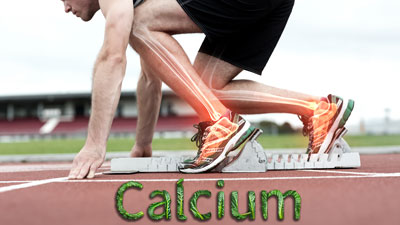
Calcium
Vitamin D

Ascorbic Acid or Vitamin C
Vitamin K
Phosphorus

Magnesium

Manganese

Potassium
Top Foods for Our Bones
Top Foods for Our Bones
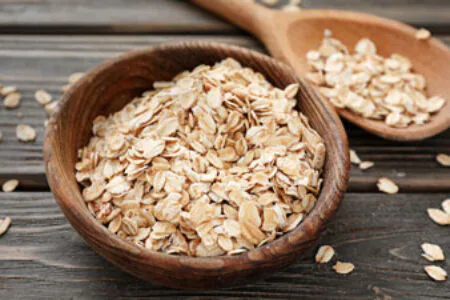
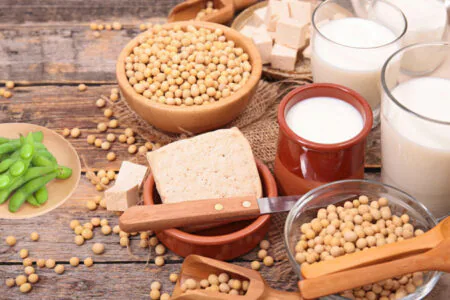
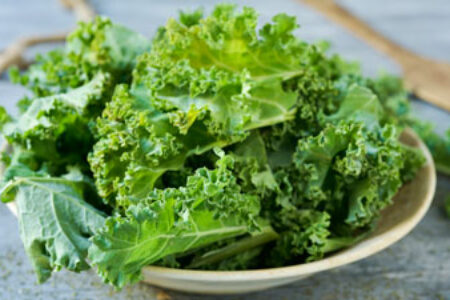
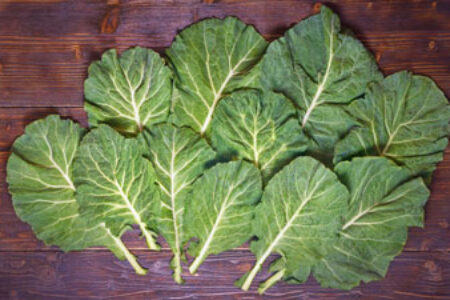
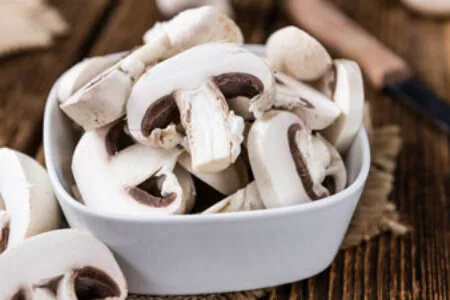
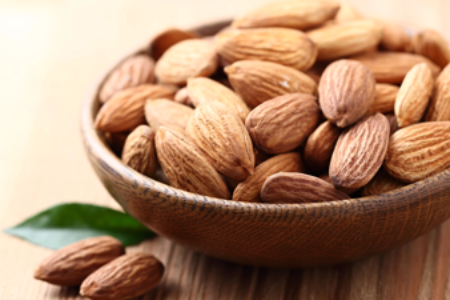
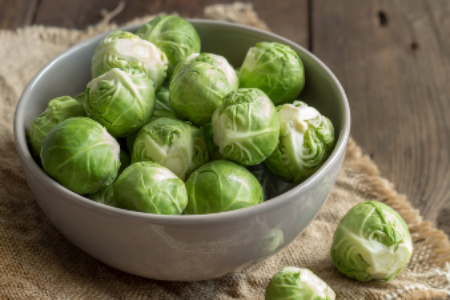
Below you can see some of the top whole-food, plant-based sources for our bones. Hover over each one to see their top bone nutrients, or click on it to visit its interactive page with a personalized calculator to help you identify all the nutrients this food provides. You will also find tips to help you select, store, and prepare these foods. Plus, you will get more important information on how this food can benefit your health and the health of your loved ones. For additional sources per nutrient, click on the nutrients above.
Below you can see some of the top whole-food, plant-based sources for our bones. Hover over each one to see their top bone nutrients, or tap on it to visit its interactive page with a personalized calculator to help you identify all the nutrients this food provides. You will also find tips to help you select, store, and prepare these foods. Plus, you will get more important information on how this food can benefit your health and the health of your loved ones. For additional sources per nutrient, tap on the nutrients above.
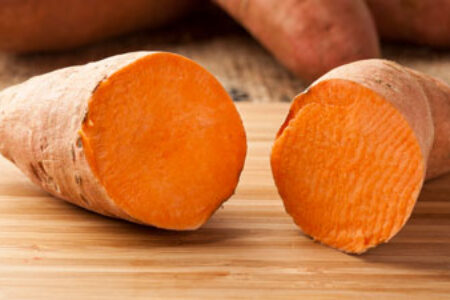
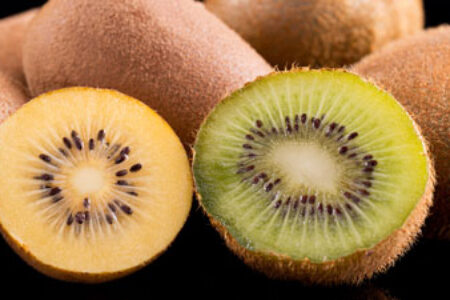
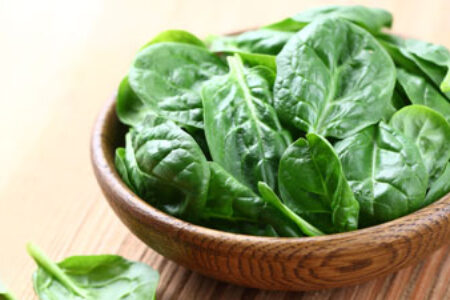
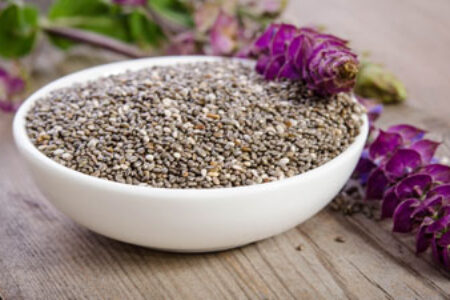
Important Things to Know for Our Bones
Important Things to Know for Our Bones
Hover over each of the interesting facts below to flip the tiles and learn more details.
Check out the interesting facts below! Tap on the red triangles to flip the tiles and learn more details.
Let us introduce you to our bones’ dynamic duo: the osteoclasts and the osteoblasts. These two types of cells work together to constantly remodel our bones. The osteoclasts remove old minerals from our bones and release them into our bloodstream, while the osteoblasts deposit new bone matrix that soon becomes mineralized. These guys are always at work, helping us heal lesions or fractures, and providing minerals to the rest of our body when needed, while ensuring our bones stay strong with new mineral absorption. In fact, every ten years we have a completely different set of bones! Learn more here and here.
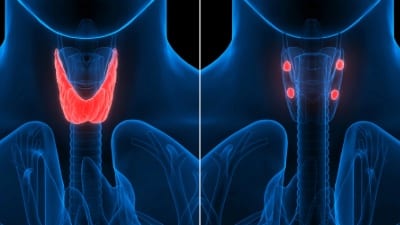
So, we have bone cells in charge of breaking out our bones to release minerals (osteoclasts) and cells in charge of bringing in more minerals for our bones (osteoblasts). But who decides which ones should get to work when? Turns out those tiny four glands that are connected to our thyroid, the parathyroid glands, can sense when our calcium blood levels are low. When this happens, they produce parathyroid hormone or PTH which tells our osteoclasts to release some calcium back into our blood. And once our calcium levels are normalized our thyroid sends a different hormone, calcitonin, to tell our osteoclasts to stop breaking down our bones, we have enough, thank you. Learn more here.
The health of our overall thyroid is also important for our bones, after all, our thyroid increases energy production for all our cells, including our osteoblasts and osteoclasts. In fact, there is a connection between thyroid dysfunction diseases and osteoporosis. Whether a person suffers from hypothyroidism or hyperthyroidism, it’s important to get their bone mineral density screened. See study here.
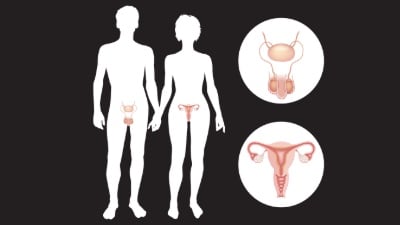
Both estrogen and testosterone also impact our bone mass and strength, which is why when our body produces less of these hormones our risk of osteoporosis increases.
Estrogen acts both on our osteoclasts and our osteoblasts, inhibiting bone breakdown and stimulating bone formation. In fact, it is the estrogen in children that leads to growth; then, at the end of puberty, there’s a high concentration of estrogen that closes the cartilage plates at the end of long bones (also known as growth plates), thus stopping further growth.
For postmenopausal women, as estrogen levels drop, the osteoblasts’ activity decreases while the osteoclasts continue to break down their bones. So, the osteoblasts can’t keep up, and this is when the bones start to become porous.
Testosterone can be converted into estrogen in our fat cells. Since men have more testosterone to draw from than women, the estrogen levels in older men are typically higher than in postmenopausal women. Testosterone also helps our muscles grow, and this puts stress on our bones, thus increasing their strength. Still, men also produce less testosterone as they grow older, and this also leads to an increased risk of developing osteoporosis.
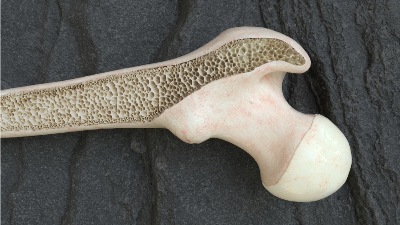
Around the world, there are up to 37 million fragility fractures suffered by people over 55 every year. That’s about 70 fractures per minute! Most hip fractures occur between the ages of 75 and 79, and about 75% of those fractures happen in women.
Hip fractures lead to chronic pain, loss of mobility and loss of independence. About 20% die within a year of suffering from this fracture.
While the risk of breast cancer worldwide is 1 in 9 women. The risk of suffering from a hip fracture is 1 in 6. See more important stats.
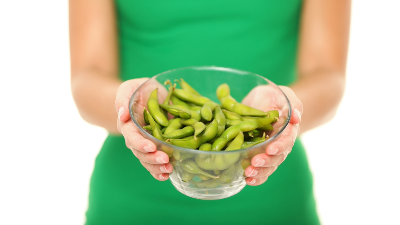
The isoflavones in soybeans are a form of plant estrogen, and as opposed to hormone therapy, which increases the risks of breast cancer, isoflavones actually reduce the risk of breast and other cancers while also increasing the activity of our osteoblasts.
This technical review can put your mind at ease when it comes to all the bad rap surrounding soybeans. In reality, soybeans do not cause breast cancer, thyroid problems, or even “man boobs.”
At the same time, this systemic review found that 75 mg/day of isoflavones increased bone mineral density by 54% and decreased loss by 23% in postmenopausal women. This systemic review and meta-analysis found that isoflavones are effective in slowing down bone loss after menopause. The dosage was anywhere from 40 to 300 mg/day and the best effects came from genistein supplementation, a type of soy isoflavone. Lastly, this other systemic review and meta-analysis found that isoflavone interventions, especially those containing genistein of at least 50 mg/day, were effective at enhancing bone mineral density in postmenopausal women.
While these studies are based on isoflavone supplementation, we can get it straight from the source. Half a pack of tofu can give us about 53 mg of isoflavones, out of which 36 mg are genistein. 4 oz of tempeh or about half a pack has 49 mg of isoflavones and 28 mg of genistein. One cup of soy milk has 30 mg of isoflavones and 17 mg of genistein. 1/2 cup of boiled dry soybeans has 47 mg of isoflavones and 24 mg of genistein. One cup of edamame has about 24 mg of isoflavones and 12 mg of genistein. More info here.
As a bonus, soybeans are also a good source of calcium. Tofu made with calcium carbonate can give a postmenopausal woman 86% of her calcium needs. Try our soybeans personalized nutrition calculator here.
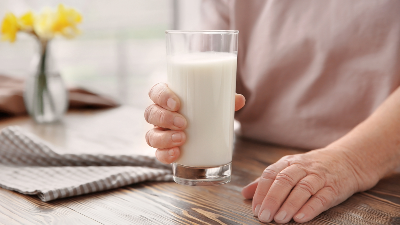
Yes, it’s undeniable that dairy products are rich in calcium, phosphorus, potassium, and magnesium. But so are many other dairy-free foods. So, what made dairy the go-to food group for osteoporosis prevention? Marketing. Data tells a different story.
This cohort study from 2021 done with 1140 individuals with a median age of 64 found no correlation between dairy intake and bone strength, except for cheese intake in women, which was associated with bone mineral density loss.
This systematic review and meta-analysis from 2019 concluded that a greater intake of milk and dairy products was not associated with a lower risk of osteoporosis and hip fracture.
Furthermore, this meta-analysis from 2023, done with almost 500K adults found that drinking 200 g of milk a day was associated with a 7% higher risk of hip fractures and drinking 400 g a day was associated with a 15% higher risk.
So milk is not the solution, and it could in fact make things worse. Instead, we should eat foods like the ones listed above for all our mineral intake needs. Plus, there’s another potential source of calcium. See next tile.
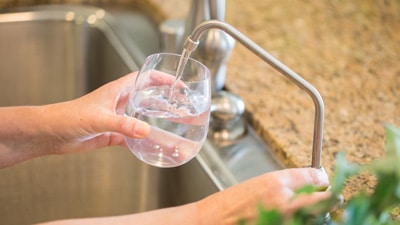
You know that white film that can build up in our shower glass? That’s calcium! Yes, the same calcium that’s needed for our bones and other important body functions. We refer to the presence of these minerals in our water as water hardness. But not all areas in the U.S. have the same amounts. This is why multiple water-filter companies offer online interactive maps for you to find out how hard your water is. You can also buy a testing kit to measure the presence of calcium and magnesium yourself.
Our government has this old map from 1975, but it can give us an idea too.
When shopping for water filters for your drinking water, be sure to choose filters that preserve the calcium and magnesium naturally present in your water. There are also some brands that add calcium and magnesium to the water after filtering it.
Bottled water may also contain calcium and magnesium, but it would say so on the labels.
Why is this important? Let’s do the math. If we have moderately hard water in our area, for example, we could be getting about 50 to 75 mg of calcium per glass of water. It doesn’t seem like much, but 50 times 8 glasses of water is 400 mg. Now, that’s a significant amount!
Want to learn more? This study concluded that calcium-rich mineral waters are a valuable source of highly bioavailable calcium for us. And this study also found that calcium in mineral water can support bone mineralization and even inhibit bone demineralization.
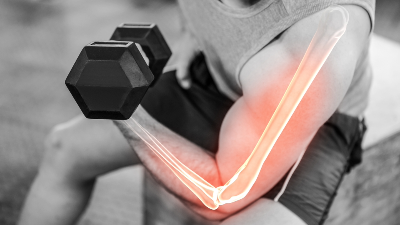
Exercise or the lack of can literally be the make or break of our bones! From cardio to weight-lifting and balance exercises, they all help us build stronger bones and stronger muscles that can also help protect our bones. The one exercise that doesn’t help our bones is swimming, though, because it’s non-weigh-bearing and in order to fortify our bones, we need to carry weight, our own or added. See how much you and your family should be exercising.

Knee pain is pretty common, and it’s often caused by sprained or strained ligaments, cartilage tears or tendonitis. The best way to help keep our connective tissue healthy, strong and flexible is by boosting our collagen. The good news is that we can make this protein ourselves with the help of vitamin C, zinc and copper.
Let us introduce you to our bones’ dynamic duo: the osteoclasts and the osteoblasts. These two types of cells work together to constantly remodel our bones. The osteoclasts remove old minerals from our bones and release them into our bloodstream, while the osteoblasts deposit new bone matrix that soon becomes mineralized. These guys are always at work, helping us heal lesions or fractures, and providing minerals to the rest of our body when needed, while ensuring our bones stay strong with new mineral absorption. In fact, every ten years we have a completely different set of bones! Learn more here and here.
So, we have bone cells in charge of breaking out our bones to release minerals (osteoclasts) and cells in charge of bringing in more minerals for our bones (osteoblasts). But who decides which ones should get to work when? Turns out those tiny four glands that are connected to our thyroid, the parathyroid glands, can sense when our calcium blood levels are low. When this happens, they produce parathyroid hormone or PTH which tells our osteoclasts to release some calcium back into our blood. And once our calcium levels are normalized our thyroid sends a different hormone, calcitonin, to tell our osteoclasts to stop breaking down our bones, we have enough, thank you. Learn more here.
The health of our overall thyroid is also important for our bones, after all, our thyroid increases energy production for all our cells, including our osteoblasts and osteoclasts. In fact, there is a connection between thyroid dysfunction diseases and osteoporosis. Whether a person suffers from hypothyroidism or hyperthyroidism, it’s important to get their bone mineral density screened. See study here.
Both estrogen and testosterone also impact our bone mass and strength, which is why when our body produces less of these hormones our risk of osteoporosis increases.
Estrogen acts both on our osteoclasts and our osteoblasts, inhibiting bone breakdown and stimulating bone formation. In fact, it is the estrogen in children that leads to growth; then, at the end of puberty, there’s a high concentration of estrogen that closes the cartilage plates at the end of long bones (also known as growth plates), thus stopping further growth.
For postmenopausal women, as estrogen levels drop, the osteoblasts’ activity decreases while the osteoclasts continue to break down their bones. So, the osteoblasts can’t keep up, and this is when the bones start to become porous.
Testosterone can be converted into estrogen in our fat cells. Since men have more testosterone to draw from than women, the estrogen levels in older men are typically higher than in postmenopausal women. Testosterone also helps our muscles grow, and this puts stress on our bones, thus increasing their strength. Still, men also produce less testosterone as they grow older, and this also leads to an increased risk of developing osteoporosis.
Around the world, there are up to 37 million fragility fractures suffered by people over 55 every year. That’s about 70 fractures per minute! Most hip fractures occur between the ages of 75 and 79, and about 75% of those fractures happen in women.
Hip fractures lead to chronic pain, loss of mobility and loss of independence. About 20% die within a year of suffering from this fracture.
While the risk of breast cancer worldwide is 1 in 9 women. The risk of suffering from a hip fracture is 1 in 6. See more important stats.
The isoflavones in soybeans are a form of plant estrogen, and as opposed to hormone therapy, which increases the risks of breast cancer, isoflavones actually reduce the risk of breast and other cancers while also increasing the activity of our osteoblasts.
This technical review can put your mind at ease when it comes to all the bad rap surrounding soybeans. In reality, soybeans do not cause breast cancer, thyroid problems, or even “man boobs.”
At the same time, this systemic review found that 75 mg/day of isoflavones increased bone mineral density by 54% and decreased loss by 23% in postmenopausal women. This systemic review and meta-analysis found that isoflavones are effective in slowing down bone loss after menopause. The dosage was anywhere from 40 to 300 mg/day and the best effects came from genistein supplementation, a type of soy isoflavone. Lastly, this other systemic review and meta-analysis found that isoflavone interventions, especially those containing genistein of at least 50 mg/day, were effective at enhancing bone mineral density in postmenopausal women.
While these studies are based on isoflavone supplementation, we can get it straight from the source. Half a pack of tofu can give us about 53 mg of isoflavones, out of which 36 mg are genistein. 4 oz of tempeh or about half a pack has 49 mg of isoflavones and 28 mg of genistein. One cup of soy milk has 30 mg of isoflavones and 17 mg of genistein. 1/2 cup of boiled dry soybeans has 47 mg of isoflavones and 24 mg of genistein. One cup of edamame has about 24 mg of isoflavones and 12 mg of genistein. More info here.
As a bonus, soybeans are also a good source of calcium. Tofu made with calcium carbonate can give a postmenopausal woman 86% of her calcium needs. Try our soybeans personalized nutrition calculator here.
Yes, it’s undeniable that dairy products are rich in calcium, phosphorus, potassium, and magnesium. But so are many other dairy-free foods. So, what made dairy the go-to food group for osteoporosis prevention? Marketing. Data tells a different story.
This cohort study from 2021 done with 1140 individuals with a median age of 64 found no correlation between dairy intake and bone strength, except for cheese intake in women, which was associated with bone mineral density loss.
This systematic review and meta-analysis from 2019 concluded that a greater intake of milk and dairy products was not associated with a lower risk of osteoporosis and hip fracture.
Furthermore, this meta-analysis from 2023, done with almost 500K adults found that drinking 200 g of milk a day was associated with a 7% higher risk of hip fractures and drinking 400 g a day was associated with a 15% higher risk.
So milk is not the solution, and it could in fact make things worse. Instead, we should eat foods like the ones listed above for all our mineral intake needs. Plus, there’s another potential source of calcium. See next tile.
You know that white film that can build up in our shower glass? That’s calcium! Yes, the same calcium that’s needed for our bones and other important body functions. We refer to the presence of these minerals in our water as water hardness. But not all areas in the U.S. have the same amounts. This is why multiple water-filter companies offer online interactive maps for you to find out how hard your water is. You can also buy a testing kit to measure the presence of calcium and magnesium yourself.
Our government has this old map from 1975, but it can give us an idea too.
When shopping for water filters for your drinking water, be sure to choose filters that preserve the calcium and magnesium naturally present in your water. There are also some brands that add calcium and magnesium to the water after filtering it.
Bottled water may also contain calcium and magnesium, but it would say so on the labels.
Why is this important? Let’s do the math. If we have moderately hard water in our area, for example, we could be getting about 50 to 75 mg of calcium per glass of water. It doesn’t seem like much, but 50 times 8 glasses of water is 400 mg. Now, that’s a significant amount!
Want to learn more? This study concluded that calcium-rich mineral waters are a valuable source of highly bioavailable calcium for us. And this study also found that calcium in mineral water can support bone mineralization and even inhibit bone demineralization.
Exercise or the lack of can literally be the make or break of our bones! From cardio to weight-lifting and balance exercises, they all help us build stronger bones and stronger muscles that can also help protect our bones. The one exercise that doesn’t help our bones is swimming, though, because it’s non-weigh-bearing and in order to fortify our bones, we need to carry weight, our own or added. See how much you and your family should be exercising.
Knee pain is pretty common, and it’s often caused by sprained or strained ligaments, cartilage tears or tendonitis. The best way to help keep our connective tissue healthy, strong and flexible is by boosting our collagen. The good news is that we can make this protein ourselves with the help of vitamin C, zinc and copper.
References
References
BOOKS
- Marieb, E. and Hoehn, K. (2020). Anatomy & Physiology. Pearson Education, Inc. Chapters 6.6 Bone Remodeling Involves Bone Deposition and Removal. (Amazon paid link)
ONLINE ARTICLES & RESOURCES
Breast Cancer & The Environment Research Centers.
- Early Life Exposure to the Phytoestrogen Genistein and Breast Cancer Risk in Later Years – Fact Sheet on the Phytoestrogen Genistein. November 7, 2007.
International Osteoporosis Foundation
Johns Hopkins Medicine – Health
U.S. Geological Survey
U.S. National Institutes of Health – National Institute of Arthritis and Musculoskeletal and Skin Diseases
U.S. National Institutes of Health – National Library of Medicine – National Center for Biotechnology Information
- Anatomy, Bones – April 21, 2024.
- Anatomy, Cartilage – October 17, 2022.
- Physiology, Bone Remodeling – March 17, 2023.
- Bone Health and Osteoporosis: A Report of the Surgeon General – The Basics of Bone in Health and Disease – 2004.
- What are Ligaments? – May 28, 2024.
- What are Tendons and Tendon Sheaths? – March 30, 2022.
Physicians Committee for Responsible Medicine
- Healthy Bones – Build Bones Strength with a Plan-Based Diet
- Milk Increases Hip Fracture Risk, According to New Comprehensive Scientific Review
University of California San Francisco – Benioff Children’s Hospitals
SCIENTIFIC REVIEWS & STUDIES
Cambridge University Press – Journal of Nutritional Science
- Dairy intake and risk of hip fracture in prospective cohort studies: non-linear algorithmic dose-response analysis in 486 950 adults – August 10, 2022.
MDPI – Journal of Clinical Medicine
- The Role of Soy Isoflavones in the Prevention of Bone Loss in Postmenopausal Women: A Systematic Review with Meta-Analysis of Randomized Controlled Trials – August 10, 2022.
Nature – Scientific Reports
- Investigating the causal relationship between thyroid dysfunction diseases and osteoporosis: a two-sample Mendelian randomization analysis – June 4, 2024.
Science Direct
Taylor & Francis – Critical Reviews in Food Science and Nutrition
- Consumption of milk and dairy products and risk of osteoporosis and hip fracture: a systematic review and Meta-analysis – March 26, 2019.
- Neither soyfoods nor isoflavones warrant classification as endocrine disruptors: a technical review of the observational and clinical data – March 27, 2021.
U.S. National Institutes of Health – National Library of Medicine – National Center for Biotechnology Information
- Calcium Intake in Bone Health: A Focus on Calcium-Rich Mineral Waters – December 5, 2018.
- Exploring the Potential Benefits of Natural Calcium-Rich Mineral Waters for Health and Wellness: A Systematic Review – July 13, 2023.
- Isoflavone intervention and its impact on bone mineral density in postmenopausal women: a systematic review and meta-analysis of randomized controlled trials – March, 2024.
- Osteoporosis Due to Hormone Imbalance: an Overview of the Effects of Estrogen Deficiency and Glucocorticoid Overuse on Bone Turnover – January 25, 2022.
- Relationship between Regular Green Tea Intake and Osteoporosis in Korean Postmenopausal Women: a Nationwide Study – December 26, 2021.
- Systematic review of soy isoflavone supplements on osteoporosis in women – 2012.