Ace Being NutriSavvy With Personalized Nutrition Calculators


In short: Other than key nutrients like protein, calcium and iron – which we’re typically told to get through meat and dairy – we often leave the rest of our nutrition to supplements and fortified foods. But what if we told you that a diet rich in whole, plant-based foods offers a better source of most of these nutrients? It’s true, but to satisfy our nutritional needs, it helps to know what these needs are and what the top, plant-based sources are for each of these nutrients. This is where the NutriSavvy calculators come in.
Why knowing our needs matters
Being NutriSavvy isn’t about perfection, it’s about knowing what our body needs and which plant foods work best at providing it. We don’t need a kitchen scale or a spreadsheet to eat well. But when we’re feeding ourselves and the people we love, a little know-how makes every grocery trip and dinner plan feel easier.
Some whole-food, plant-based experts say to skip tracking altogether. We get their point: if we eat a wide variety of whole plant foods, and enough of them, most of our needs tend to take care of themselves. Counting could also turn dinner into a chore or a worry. On this we fully agree: food should be a joy, not a math problem.
Still, we’ve found it really helps to know two things: what we need, and what each food does best. Think of foods as having superpowers. Beans and lentils are iron, protein and fiber champs. Leafy greens, white beans and chia seeds are calcium heroes. Whole grains are packed with manganese and magnesium, which help keep our bones strong and our muscles and nerves working smoothly. See where we’re going? Once we know who does what, we can build a plate intentionally instead of crossing our fingers.
Bonus: it’s kind to our wallet, too. So many of us assume we need a shelf full of supplements, when the nutrients we’re after are often already sitting in our legumes, greens, whole grains, nuts, seeds, fruits, vegetables, mushrooms, and even our herbs and spices!
See how it works
Let’s say you want to make sure you and your family are getting enough iron, but you’ve heard that animal-based iron (heme iron) in excess can lead to oxidative stress. So, you want to try plant-based sources. First, let’s figure out how much iron you and your family need:
Great! Now, let’s check out one of iron’s top sources: Lentils. Let’s see how much iron each family member can get with one serving:
Wow! That’s a great amount for one meal, plus tons of protein, fiber, folate and more!
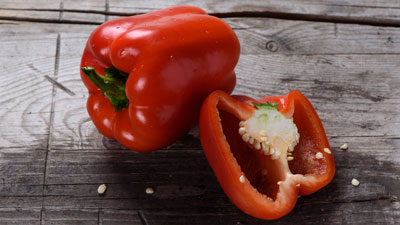
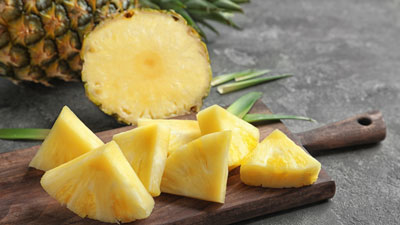
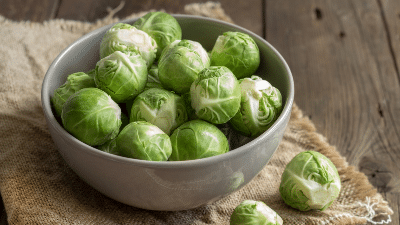
But maybe you’re concerned you won’t absorb that much iron from a plant-based source… Guess what? Adding vitamin C boosts our plant-based iron absorption! And these are some great sources of vitamin C that you can pair with your lentils. Go ahead, click on the images to check out their pages and try their nutrition calculators there.
The reason we’re team food first
Here’s something we love: for most healthy adults, research keeps pointing to food, not pills, as the better way to get our nutrients. A few of the findings worth sharing:
- Multivitamins didn’t add years. A 2024 NIH study followed about 390,000 healthy US adults for more than 20 years! Those who took a daily multivitamin didn’t live any longer than those who didn’t, and their risk of dying from cancer, heart disease or stroke wasn’t any lower either. (NIH summary; study abstract)
- Food did what pills didn’t. A Tufts University study of more than 27,000 US adults found that getting enough vitamin K and magnesium was linked to a lower risk of death, but only when those nutrients came from food. Calcium supplements of 1,000 mg a day or more were linked to a higher risk of cancer death, while calcium from food wasn’t. This kind of study shows a link, not proof of cause, but it’s a pretty good nudge toward the kitchen. (Tufts summary; study abstract)
- Plants can carry the load. In 2025 the Academy of Nutrition and Dietetics restated that well-planned vegetarian and vegan diets can meet nutrient needs and bring long-term health benefits, including for the heart and metabolism. (position paper)
Notice those two little words: well-planned. That’s where knowing our needs and each food’s superpowers comes in, and it’s easier than it sounds.
The few exceptions worth knowing
Food first doesn’t mean food only. A handful of nutrients are hard or impossible to get from unfortified plants, and knowing which ones is part of being NutriSavvy.
 Vitamin B12. Fun fact: neither plants nor animals make B12, microbes do. But when we eat mostly or only plants, we definitely want a reliable source: B12-fortified foods or a supplement. Reviews of vegetarian and vegan diets agree B12 is priority number one. And after 50, the body absorbs less B12 from animal-based foods too, so US guidance has long suggested fortified foods or a supplement no matter what we eat. (2024 review, Dietetics)
 Vitamin D. Our skin makes it from sunlight (UVB exposure), but the season, where we live, our skin tone, our age, our lifestyle, and the use of sunscreen all affect how much. Fortified plant milks help, and plenty of people, plant-based or not, need a supplement, especially in winter, if we live far from the equator, or if we don’t spend enough time outdoors. (2021 review, Nutrients)
 Iodine. Our thyroid depends on it. Plant eaters can get it from a little iodized salt or a supplement, especially where iodized salt isn’t common. Seaweed is tricky: the amount varies a lot and can be too little in some or way too much in others, like kelp, which can lead to toxicity. Iodine matters most during pregnancy and breastfeeding. (2024 review, Food Science & Nutrition)
 Long-chain omega-3s (EPA and DHA). Many plant eaters add an algae-based DHA supplement, especially during pregnancy and breastfeeding. Our body can make it from the ALA in flax, chia and walnuts. However, the amounts tend to be low, depending on our sex, age, and nutrition habits. A diet heavy in omega-6 means our body converts less ALA into EPA and DHA, so aiming for about 3 parts omega-6 to 1 part omega-3, instead of the typical 20 to 1 ratio, can help a lot. (2016 study, Nutrients).
The big picture: taking one to four of these supplements is a world away from a cabinet full of pills. Our nutrient calculators for vitamin B12, vitamin D and iodine can show you how much you need each day. There is no recommended intake for EPA or DHA yet, but you can ensure you’re getting enough ALA from foods with our Omega-3 ALA calculator as well. Just click on the images above to visit those pages. Talk to your health professional about getting blood tests to confirm the right dosages for you and your loved ones.
From calculators to powerful meals
Being NutriSavvy really comes down to three simple habits:
- Knowing our nutritional needs and our family’s. They change as we grow and with every new stage of life.
- Identifying each food’s superpowers, so we can build meals intentionally.
- Letting whole plant foods do most of the work and using fortified foods or supplements where they truly fill a gap: B12 if we eat mostly or only plants, or if we’re over 50, and, depending on where we live and our stage of life, vitamin D, iodine or DHA.
Whatever’s on your plate today, our site and tools are for you! You don’t have to be fully plant-based to be NutriSavvy, though the more plants we eat, the more NutriSavvy we become. That’s why we encourage plant-forward eating, but our site and free profile work just as well if you still enjoy some meat, fish, eggs or dairy.
And the best part? There’s no need to memorize any of this or print out tons of calculator results! Make yourself at home with a free NutriSavvy profile: add the people you cook for and see the top nutrients each of you needs, all in one place. Our calculators fill in your family’s details for you, so checking a specific food or nutrient takes seconds. We’d love to have you.

This article is for informational purposes only and isn’t medical advice. Please talk to your health professional about your own needs, especially before starting or stopping any supplement.