
Skip to content
Home » Our Body » Our Heart

Our Heart – Nutrients, Plant-Based Foods & Care

Most cases of cardiovascular disease are preventable

Most cases of cardiovascular disease are preventable

Last Updated: November 17, 2025 | First Published: January 17, 2024

Last Updated: November 17, 2025

Our heart is our body’s engine, it’s what keeps the blood circulating so it can transport all the nutrients that our different body parts depend on, and so that it can remove all the waste. Caring for our heart should be a top priority for all of us. Sadly, heart disease is the number one cause of death in the world.

The good news is that a large amount of these deaths are preventable if we follow a healthy diet and adopt good lifestyle habits like getting proper sleep and exercising. The sad news is that most people are still following the Standard American Diet (SAD) which is packed with saturated fat, cholesterol, sodium and toxins, and low in fiber

The scariest part is that most children are already developing heart disease, due to diets packed with saturated fats and sodium. It takes years to build up, so it typically doesn’t manifest until they’re older. Fad diets promoting animal-based products while antagonizing healthy carbs are worsening this situation.

Below, we talk about how our heart works, the nutrients that support it, and some of their top plant-based sources. We also share important facts that can help you take great care of your heart and your family’s precious hearts.

Our Heart’s Main Parts and Functions

Our Heart’s Main Parts and Functions

Hover over each pointer to discover what makes our heart beat and to go over the main parts of our heart and their different functions.
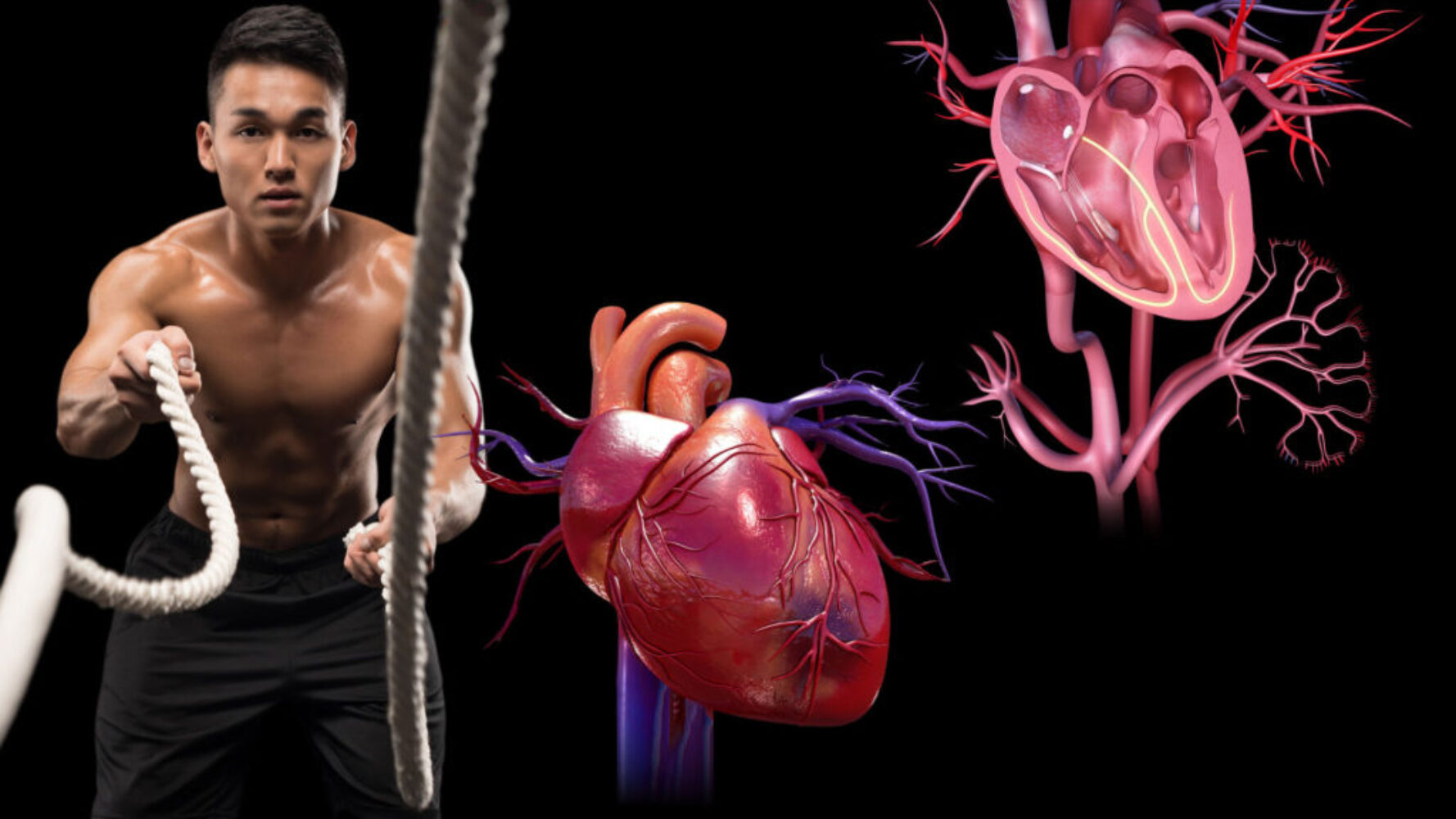
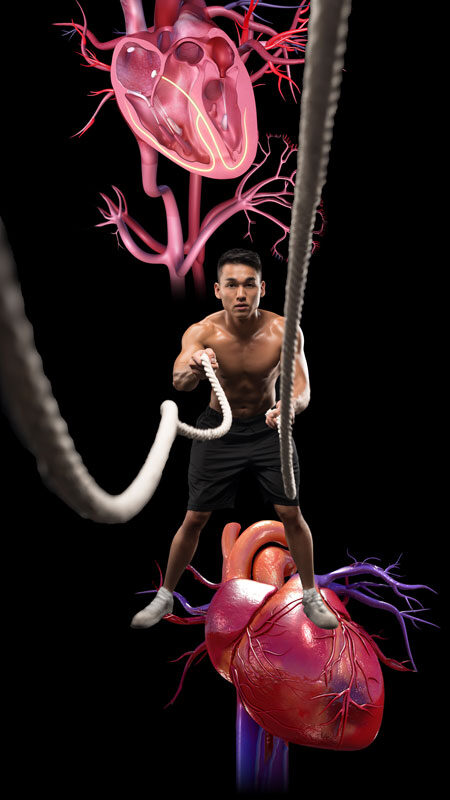
A man holding onto ropes and looking at an anatomical heart.
A man holding onto some ropes and a pink heart

Top Nutrients for Our Heart

Top Nutrients for Our Heart

Click on the nutrient images below to visit their interactive pages and learn more about what they do for us, their top sources, other interesting facts, and to try our personalized nutrition calculators.

Fiber

Fiber intake of at least 25 g/day is associated with lower blood pressure, lower cholesterol levels, and an overall lower risk of developing heart disease.

Protein

Lysine, an essential amino acid, helps with calcium absorption, which is important for muscle contractions and our heart’s rhythm regulation.

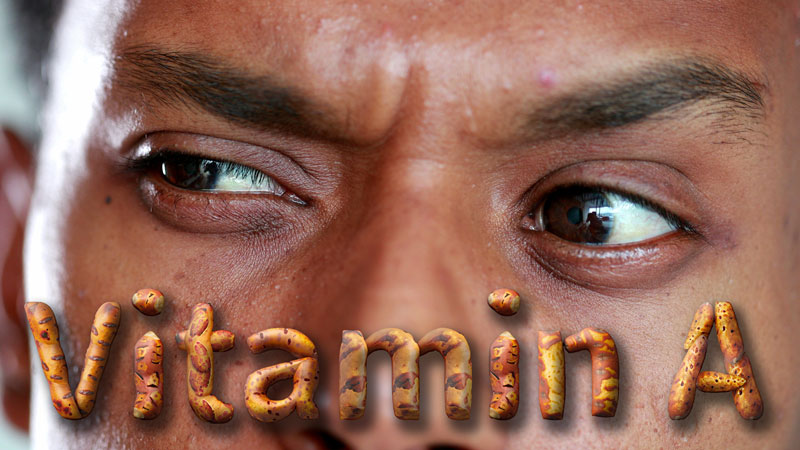
Vitamin A

Vitamin A is a strong antioxidant that helps protect our heart and circulatory system from inflammation.

Thiamin or Vitamin B1

Thiamin or vitamin B1 supports our overall heart health and deficiency may lead to heart failure.

Pyridoxine or Vitamin B6

Vitamin B6 helps us maintain normal levels of homocysteine, an amino acid in the blood that in excess increases the risk of stroke and cardiovascular disease.

Folate or Vitamin B9

Folate has a key role in breaking down homocysteine. It also helps us produce healthy red blood cells which transport oxygen from our lungs to our heart.

Cobalamin or Vitamin B12

Vitamin B12 is important for the production of red blood cells and to maintain normal levels of homocysteine, thus reducing the risk of cardiovascular disease.

Ascorbic Acid or Vitamin C

Vitamin C helps increase our HDL cholesterol which in turn helps eliminate cholesterol from our body. It also supports calcium and iron absorption.

Vitamin E

Vitamin E widens our blood vessels, preventing blood clots. It also protects the fats in LDL cholesterol from oxidation that could lead to cardiovascular disease.

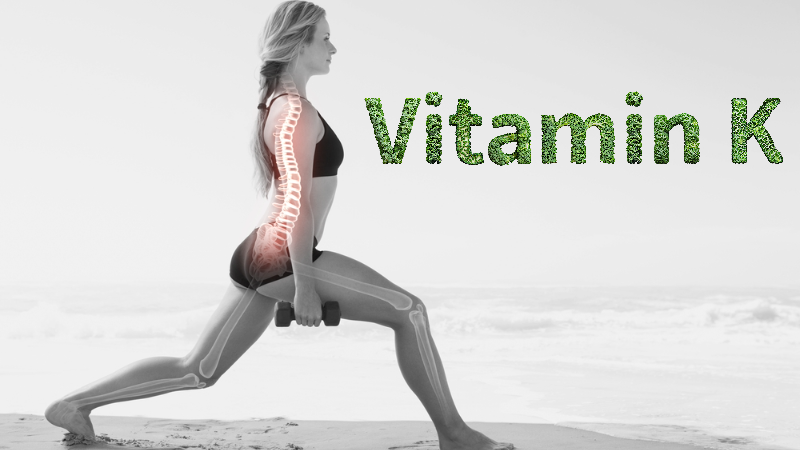
Vitamin K

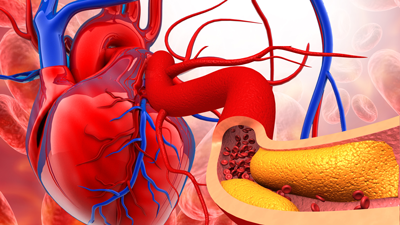
Vitamin K is involved in the production of proteins that help prevent the calcification and hardening of our heart arteries.

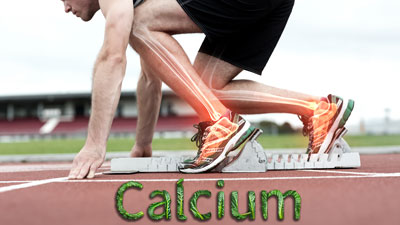
Calcium

Calcium helps with muscle contractions and is key in regulating our heart’s rhythm.

Iron

Iron is needed to produce hemoglobin, a protein in red blood cells that carries oxygen from the lungs to the heart, and then to the rest of our body.

Magnesium

Magnesium helps regulate blood pressure. High levels of magnesium are linked to a 40% risk reduction of sudden cardiac death!

Selenium

Selenium deficiency is linked to cardiovascular disease. In observational studies, a 50% increase in selenium intake reduced coronary heart disease by 24%.

Potassium

Plant-based foods rich in potassium help improve our blood pressure. High blood pressure is a risk factor for heart disease.

Top Foods for Our Heart

Top Foods for Our Heart

Below you can see some of the top whole-foods, plant-based nutrient sources for our heart. Hover over each one to see their top heart-related nutrients, or click on it to visit its interactive page with a personalized calculator to help you identify all the nutrients this food provides. You will also find tips to help you select, store, and prepare these foods. Plus, you will get more important information on how this food can benefit your health and the health of your loved ones. For additional sources per nutrient, click on the nutrients above.
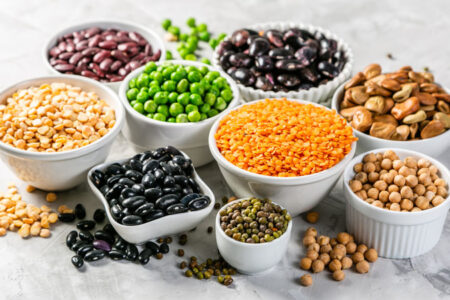
Beans and Legumes

Beans and Legumes

Rich in vitamins B1, B6 and B9 (folate), calcium, iron, magnesium and selenium.

Link
Dark Leafy Greens

Dark Leafy Greens

Rich in vitamins A, B6, B9 (folate), C and K plus calcium, iron and magnesium.
Link
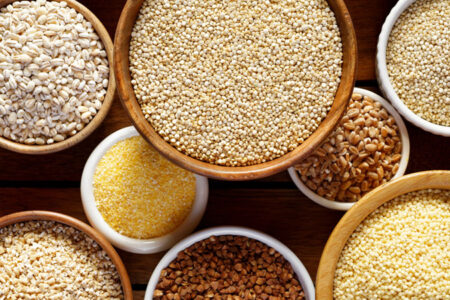
Whole Grains

Whole Grains

Rich in fiber, vitamins B1 and B6, iron, magnesium & selenium.
Link
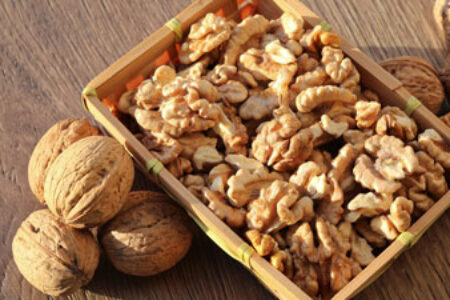
Walnuts

Walnuts

Rich in vitamin B6, magnesium, and phytonutrients that may cut our risk of dying of heart disease by half.
Link
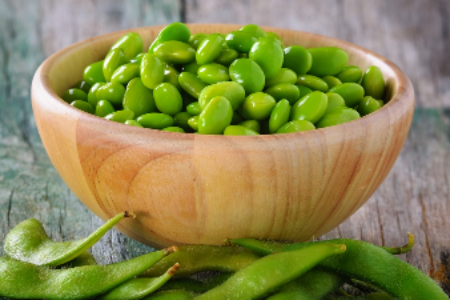
Edamame

Edamame

Rich in calcium, iron, magnesium, potassium, and vitamins B1, B9 (folate) and K.
Link
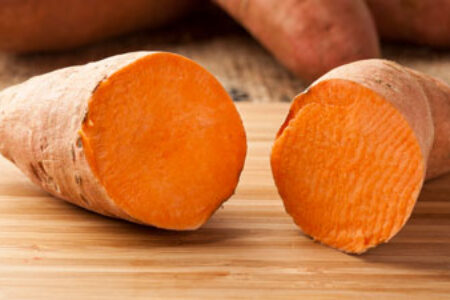
Sweet Potato

Sweet Potato

Rich in vitamins A, B6 and C, and in potassium.
Link
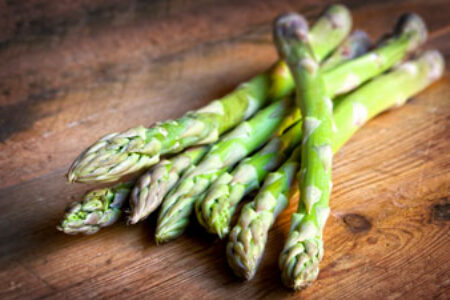
Asparagus

Asparagus

Rich in vitamins B1, B9 (folate), C, E and K, and in potassium and selenium.
Link
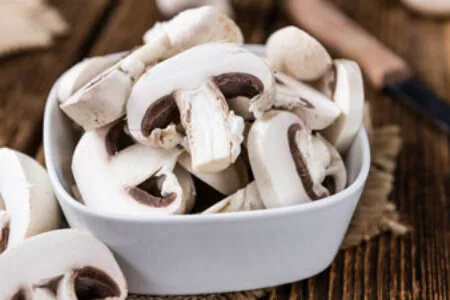
White Mushrooms

White Mushrooms

Rich in iron, potassium, and selenium.

Link

Important Things to Know for Our Heart Health

Important Things to Know for Our Heart Health

Hover over each of the interesting facts below to flip the tiles and learn more details.

Check out the interesting facts below! Tap on the red triangles to flip the tiles and learn more details.

Identify the signs and differences between cardiac arrest and heart attack.

Sudden cardiac arrest is when the heart stops beating due to a failure in its electrical system. The signs are sudden collapse, no breathing, and a lack of pulse. Immediate CPR is the only chance of survival. At times, there could be warning signs including shortness of breath, weakness, and heart palpitations.

A heart attack happens when the blood flow to the heart is blocked, causing radiating pain, shortness of breath, feeling faint, and becoming sweaty. Warning signs include chest pain; pain or discomfort in the arm, shoulder, neck or jaw; shortness of breath; nausea; vomit, and severe exhaustion. The last three are more common in women.

The key difference is that during cardiac arrest the heart stops completely, whereas during a heart attack, the heart usually keeps beating and the symptoms might start slowly.

A heart attack can lead to cardiac arrest. But there could be other reasons like arrhythmias, cardiomyopathy, electrolyte imbalances, severe stress, or genetic conditions.

More than 356,000 people suffer a cardiac arrest outside of the hospital every year in the US. 60% to 80% die before making it to the hospital.
Learn more here and here.

High LDL Cholesterol levels is the number one risk for heart disease.

An optimal LDL cholesterol level is between 50 and 70 mg/dL, and a total cholesterol of  under 150 mg/dL. However, the average total cholesterol for adults 20+ in the U.S. is 187 mg/dL. Furthermore, most doctors consider being under 200 mg/dL total cholesterol and under 100 mg/dL total LDL healthy. However, a large study in 2009 showed that more than half the people hospitalized for coronary artery disease fell within this “healthy” guidelines.

Aim at achieving the optimal levels stated above by following a WFPB diet, which is cholesterol-free and low in saturated fats.

Dietary choices lead to heart disease starting in childhood, or even before birth.

Over half of American children who die after an accident by the age of 10 and get an autopsy are found to be in the first stage of atherosclerosis (fatty streaks in our arteries). This is very alarming! What’s more alarming is that newborn babies whose mothers had high LDL cholesterol levels, also presented early stages of heart disease. By the time most Americans are 20 to 30 years old, they already have plaque. Fortunately, this can be reversed when switching to a WFPB diet. Read studies here, here and here.

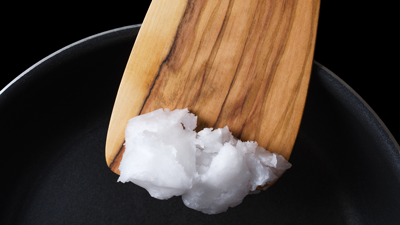
Coconut oil should be avoided together with other sources of saturated fat.

This systematic review published by the American Heart Association concluded that coconut oil is high in saturated fat and therefore it significantly raises LDL cholesterol levels, increasing risk factors for heart disease. While it also increases HDL cholesterol levels, this did not decrease cardiovascular disease risk. Furthermore, this review found no evidence that consuming coconut oil helps reduce inflammation, or that it helps control blood sugar and weight. Thus, refuting its top marketing and fad diet claims.

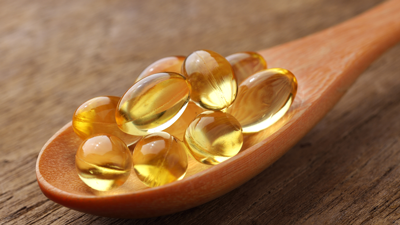
But, isn’t Omega 3 supposed to be good for our heart? Turns out, it’s not!

The notion that Omega-3 fatty acids supported cardiovascular health turned out to be based on biased studies and has now been debunked by more recent and extensive studies. These studies show no effect of Omega 3 in cardiovascular health. However, Omega-3 fatty acids do support our brain health. If you choose to supplement your DHA and EPA, be sure to use a plant-based option (from algae). You can also get plenty of ALA from seeds, legumes, greens, and walnuts. Fish sources are highly contaminated.

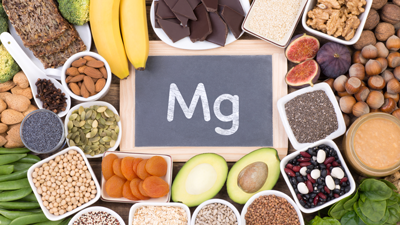
High levels of magnesium are associated with 40% reduced risk of sudden cardiac arrest.

Top sources of magnesium include dark leafy greens, nuts, seeds, legumes, and whole grains. So, it’s easy to get plenty when following a balanced, whole-food, plant-based diet. Unfortunately, most Americans are not even getting the Daily Value of 420 mg. The average intake is 300 mg. See related studies here and here.

3 reasons why eating meat daily increases our risk of heart disease by 22%.

This study published by the American Heart Association concluded that people eating at least one serving of meat a day had a 22% higher risk of heart disease.

They also found that this was in part due to our microbiota’s interaction with amino acid L-carnitine, resulting in the production of TMAOs.   

Other culprits include saturated fats, which raise our LDL cholesterol levels, and heme or animal-based iron, which increases heart disease by 57% according to this other study.

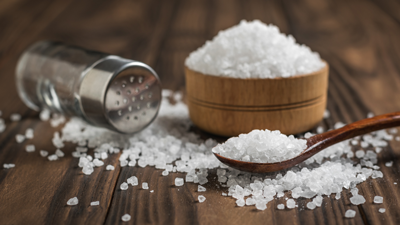
Excessive sodium leads to high blood pressure, also known as the “silent killer.”

According to the CDC, Nearly 50% of adults in the U.S. have high blood pressure (119.9 million people).

Excess sodium pulls water into our blood vessels, thus increasing our amount of blood. The more blood flows inside these vessels, the more pressure they get. Eventually, our blood vessel walls get injured, resulting in faster buildup of plaque.

Most Americans consume over 3,300 mg. every day! The American Heart Association (AHA) recommends not exceeding 2,500 mg./day with an optimal target of no more than 1,500 mg./day. They also indicate our body only needs about 500 mg./day. 

Plants have all the sodium we need, so the ideal practice is to omit added sodium, through salt or other sources, completely. However, most of the sodium we get doesn’t even come from the salt in home-cooked meals. About 70% comes from processed foods and restaurant foods. So, check the labels when buying processed foods and aim at getting low-sodium or no sodium products. Our sodium page shows what moderately processed foods you should watch out for. 

If you need a little salt while cooking, it’s probably okay. The less salt you eat, the more you will notice how salty the food at restaurants is, and you might naturally gravitate to less salty options or to limiting the times you eat out.

Learn more about the connection between salt and high blood pressure here and here.

Physical activity significantly reduces our risk of dying from any cause.

The American Heart Association (AHA) recommends a minimum of 150 min./week of moderate aerobic exercise or 75 mins./week of vigorous aerobic exercise, or a combination of both to reduce our risk of dying from all causes by as much as 21%. This is significant! But a study published in 2024 by the AHA’s journal, Circulation, discovered that if we double to quadruple this amount of activity, we can achieve a reduction of up to 31%. 

So, start a daily walk routine, join dance classes, go out dancing for fun! Play pickle ball, start swimming, join a hiking group… the idea is to make it fun for you so that you change your habits from sedentary to a life packed with activity.

Also, small changes can go a long way. Take those stairs instead of the elevator. Walk to the mailbox instead of driving.

Physical activity is also key in managing stress, another risk factor for heart disease. Stress makes plaque build up faster in our arteries. It also makes the arteries constrict and our blood clots faster, leading to a heart attack of stroke. Learn more.

Identify the signs and differences between cardiac arrest and heart attack.

Sudden cardiac arrest is when the heart stops beating due to a failure in its electrical system. The signs are sudden collapse, no breathing, and a lack of pulse. Immediate CPR is the only chance of survival. At times, there could be warning signs including shortness of breath, weakness, and heart palpitations.

A heart attack happens when the blood flow to the heart is blocked, causing radiating pain, shortness of breath, feeling faint, and becoming sweaty. Warning signs include chest pain; pain or discomfort in the arm, shoulder, neck or jaw; shortness of breath; nausea; vomit, and severe exhaustion. The last three are more common in women.

The key difference is that during cardiac arrest the heart stops completely, whereas during a heart attack, the heart usually keeps beating and the symptoms might start slowly.

A heart attack can lead to cardiac arrest. But there could be other reasons like arrhythmias, cardiomyopathy, electrolyte imbalances, severe stress, or genetic conditions.

More than 356,000 people suffer a cardiac arrest outside of the hospital every year in the US. 60% to 80% die before making it to the hospital.

Learn more here and here.

High LDL Cholesterol levels is the number one risk for heart disease.

An optimal LDL cholesterol level is between 50 and 70 mg/dL, and a total cholesterol of  under 150 mg/dL. However, the average total cholesterol for adults 20+ in the U.S. is 187 mg/dL. Furthermore, most doctors consider being under 200 mg/dL total cholesterol and under 100 mg/dL total LDL healthy. However, a large study in 2009 showed that more than half the people hospitalized for coronary artery disease fell within this “healthy” guidelines.

Aim at achieving the optimal levels stated above by following a WFPB diet, which is cholesterol-free and low in saturated fats.

Dietary choices lead to heart disease starting in childhood, or even before birth.

Over half of American children who die after an accident by the age of 10 and get an autopsy are found to be in the first stage of atherosclerosis (fatty streaks in our arteries). This is very alarming! What’s more alarming is that newborn babies whose mothers had high LDL cholesterol levels, also presented early stages of heart disease. By the time most Americans are 20 to 30 years old, they already have plaque. Fortunately, this can be reversed when switching to a WFPB diet. Read studies here, here and here.

Coconut oil should be avoided together with other sources of saturated fat.

This systematic review published by the American Heart Association concluded that coconut oil is high in saturated fat and therefore it significantly raises LDL cholesterol levels, increasing risk factors for heart disease. While it also increases HDL cholesterol levels, this did not decrease cardiovascular disease risk. Furthermore, this review found no evidence that consuming coconut oil helps reduce inflammation, or that it helps control blood sugar and weight. Thus, refuting its top marketing and fad diet claims.

But, isn’t Omega 3 supposed to be good for our heart? Turns out, it’s not!

The notion that Omega-3 fatty acids supported cardiovascular health turned out to be based on biased studies and has now been debunked by more recent and extensive studies. These studies show no effect of Omega 3 in cardiovascular health. However, Omega-3 fatty acids do support our brain health. If you choose to supplement your DHA and EPA, be sure to use a plant-based option (from algae). You can also get plenty of ALA from seeds, legumes, greens, and walnuts. Fish sources are highly contaminated.

High levels of magnesium are associated with 40% reduced risk of sudden cardiac arrest.

Top sources of magnesium include dark leafy greens, nuts, seeds, legumes, and whole grains. So, it’s easy to get plenty when following a balanced, whole-food, plant-based diet. Unfortunately, most Americans are not even getting the Daily Value of 420 mg. The average intake is 300 mg. See related studies here and here.

3 reasons why eating meat daily increases our risk of heart disease by 22%.

This study published by the American Heart Association concluded that people eating at least one serving of meat a day had a 22% higher risk of heart disease.

They also found that this was in part due to our microbiota’s interaction with amino acid L-carnitine, resulting in the production of TMAOs.   

Other culprits include saturated fats, which raise our LDL cholesterol levels, and heme or animal-based iron, which increases heart disease by 57% according to this other study.

Excessive sodium leads to high blood pressure, also known as the “silent killer.”

According to the CDC, Nearly 50% of adults in the U.S. have high blood pressure (119.9 million people).

Excess sodium pulls water into our blood vessels, thus increasing our amount of blood. The more blood flows inside these vessels, the more pressure they get. Eventually, our blood vessel walls get injured, resulting in faster buildup of plaque.

Most Americans consume over 3,300 mg. every day! The American Heart Association (AHA) recommends not exceeding 2,500 mg./day with an optimal target of no more than 1,500 mg./day. They also indicate our body only needs about 500 mg./day. 

Plants have all the sodium we need, so the ideal practice is to omit added sodium, through salt or other sources, completely. However, most of the sodium we get doesn’t even come from the salt in home-cooked meals. About 70% comes from processed foods and restaurant foods. So, check the labels when buying processed foods and aim at getting low-sodium or no sodium products. Our sodium page shows what moderately processed foods you should watch out for. 

If you need a little salt while cooking, it’s probably okay. The less salt you eat, the more you will notice how salty the food at restaurants is, and you might naturally gravitate to less salty options or to limiting the times you eat out.

Learn more about the connection between salt and high blood pressure here and here.

Physical activity significantly reduces our risk of dying from any cause.

The American Heart Association (AHA) recommends a minimum of 150 min./week of moderate aerobic exercise or 75 mins./week of vigorous aerobic exercise, or a combination of both to reduce our risk of dying from all causes by as much as 21%. This is significant! But a study published in 2024 by the AHA’s journal, Circulation, discovered that if we double to quadruple this amount of activity, we can achieve a reduction of up to 31%. 

So, start a daily walk routine, join dance classes, go out dancing for fun! Play pickle ball, start swimming, join a hiking group… the idea is to make it fun for you so that you change your habits from sedentary to a life packed with activity.

Also, small changes can go a long way. Take those stairs instead of the elevator. Walk to the mailbox instead of driving.

Physical activity is also key in managing stress, another risk factor for heart disease. Stress makes plaque build up faster in our arteries. It also makes the arteries constrict and our blood clots faster, leading to a heart attack of stroke. Learn more.

In Loving Memory

In Loving Memory

A man with a black jacket and purple collar.

Steve Walsh was an amazing father and human being who lived life with compassion, unconditional love, a strong dedication to justice, and a great sense of humor. He died from sudden cardiac arrest at the early age of 62. This page is dedicated to him, hoping that the information we provide helps other families prevent this tragic loss.

References

References